Mass & Weight Calibration Services
Mass & Weight Calibration Services from IN-CAL™
Accurate mass measurement is fundamental to virtually every industry, from pharmaceutical manufacturing and chemical processing to shipping and logistics, food production, and precision manufacturing. When weighing instruments drift out of calibration, the consequences cascade through operations—causing dosing errors, inventory discrepancies, regulatory violations, shipping disputes, and significant financial losses.
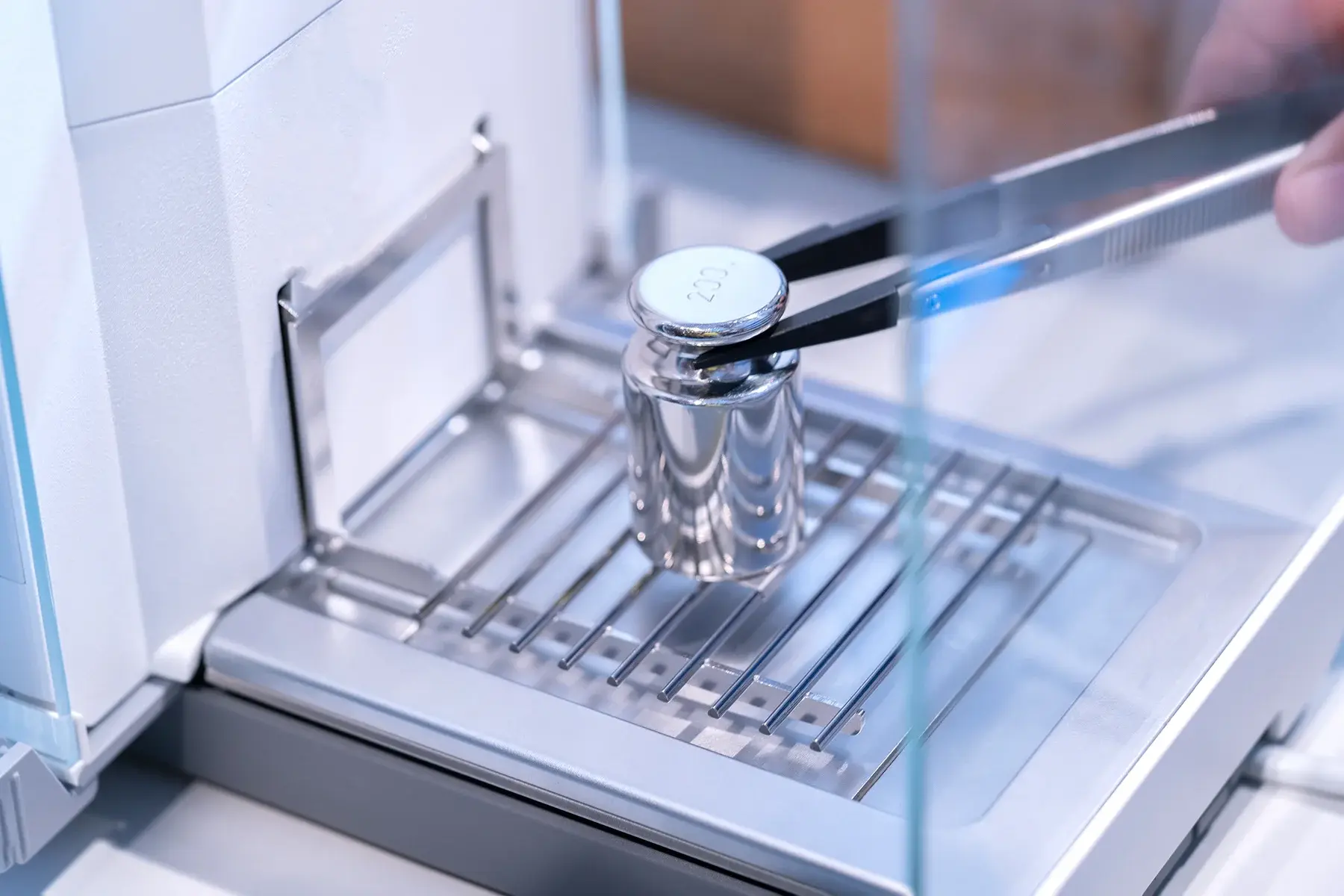
IN-CAL™ offers mass and weighing calibration services at your facility (balances, scales, etc.) and in our laboratory (weights and weight sets). Our Mass and Weighing Instrument Calibration Services include high accuracy, best in class standards such as Sartorius Mass Comparators and Troemner Ultra Class Weights.
Weighing Equipment We Calibrate:
- Balances
- Counting Scales
- Digital and Lab Scales
- Floor and Platform Scales
- Hoist Scales
- Weights
Don't see your equipment listed here? Contact us for a custom quote.
We also offer preventive maintenance services with your scale calibrations via a calibration service agreement to ensure your scales remain reliable even in harsh environments. During mass or weight calibration of your equipment, IN-CAL™ technicians will:
-
Ensure that every mass or weight complies with appropriate specifications
-
Ensure that your balances and scales are installed and operating correctly
-
Conduct a mechanical inspection of your scales and weights for physical damage
-
Perform scale testing to check for appropriate load shift compliance
What is Mass Calibration?
Mass calibration is the systematic process of verifying and adjusting weighing instruments to ensure they accurately measure the mass of objects across their specified weighing ranges. This essential service compares your weighing instruments against certified reference mass standards with known, traceable values to identify any deviations from their specified accuracy ranges.
During mass calibration, skilled technicians evaluate each instrument's performance using certified test weights and standard masses throughout the instrument's weighing capacity. They document any measurement variations discovered and perform necessary adjustments to restore accuracy to manufacturer specifications. When instruments cannot be adjusted to meet their original specifications, detailed calibration reports provide the deviation data essential for your corrective actions and informed maintenance or replacement decisions.
The calibration process follows rigorous protocols established by international standards including NIST Handbook 44 and international weighing standards, ensuring consistency, reliability, and traceability. Each calibrated weighing instrument receives comprehensive documentation that traces its accuracy back to national mass standards, providing the measurement traceability that quality management systems, regulatory authorities, and commercial weighing requirements demand.
Why Mass Calibration is Essential for Your Operations
Product Quality and Formulation Accuracy
Manufacturing operations depend on precise mass measurements for ingredient proportioning, batch consistency, and product formulation. Whether mixing pharmaceuticals, blending chemicals, or preparing food products, accurate weighing ensures consistent product quality and prevents costly formulation errors that could affect product performance or safety.
Regulatory Compliance and Documentation
Industries from pharmaceuticals to food production operate under strict regulatory frameworks requiring traceable mass measurements. FDA regulations, cGMP requirements, ISO standards, and food safety regulations mandate that weighing equipment be properly calibrated and maintained. Comprehensive calibration records are essential for regulatory compliance and successful audits.
Commercial Accuracy and Fair Trade
When weighing determines product quantities for pricing, billing, or commercial transactions, accuracy directly affects profitability and legal compliance. Commercial scales used for trade must meet legal metrology requirements to ensure fair transactions and prevent disputes. Regular calibration protects both buyers and sellers in commercial weighing applications.
Inventory Control and Cost Management
Accurate inventory management depends on reliable weighing systems for receiving, storage, and shipping operations. Weighing errors can lead to inventory discrepancies, ordering mistakes, and hidden costs throughout supply chain operations. Calibrated scales ensure accurate inventory data and help optimize purchasing and logistics decisions.
Process Control and Efficiency
Manufacturing processes increasingly rely on automated weighing systems for process control, batching, and quality assurance. Inaccurate weighing can disrupt process control algorithms, reduce yields, and increase waste. Calibrated weighing systems ensure optimal process performance and consistent product output.
Safety and Environmental Compliance
Many operations involve weighing hazardous materials, waste products, or materials with environmental restrictions. Accurate weighing is essential for safe handling, regulatory reporting, and environmental compliance. Weighing errors in these applications can create safety hazards or environmental violations.
ISO/IEC 17025 Accredited Calibration From IN-CAL™
-
ISO/IEC 17025 accredited calibration services
-
Comprehensive repair and calibration services for test, measuring and manufacturing equipment
-
Mail-in and on-site options available
- Providing personalized customer service since 1994
